 en

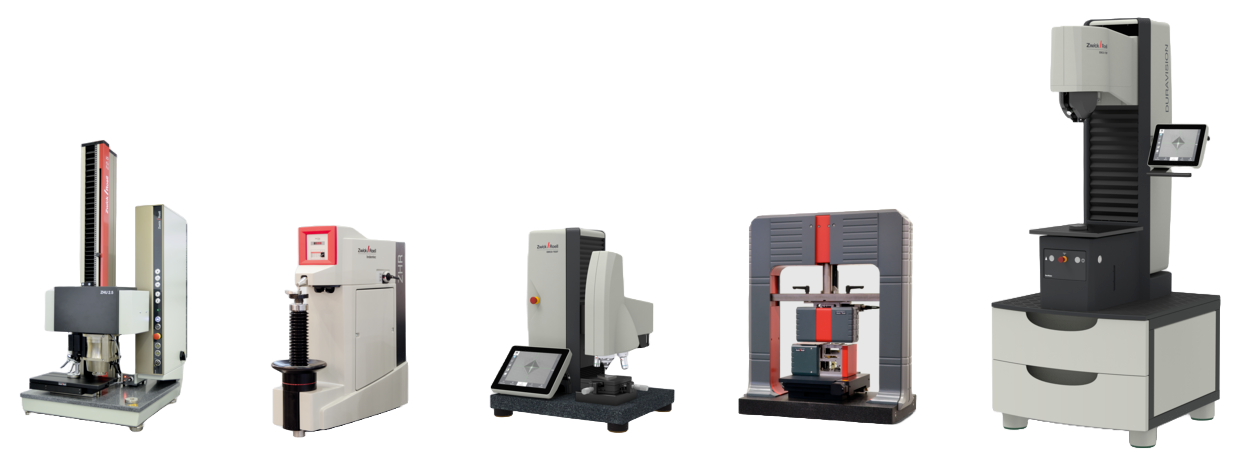
 Tests according to microVickers, Vickers, Knoop, Rockwell, Brinell, Shore, IRHD

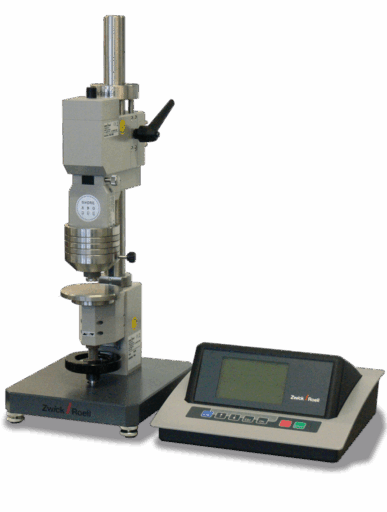
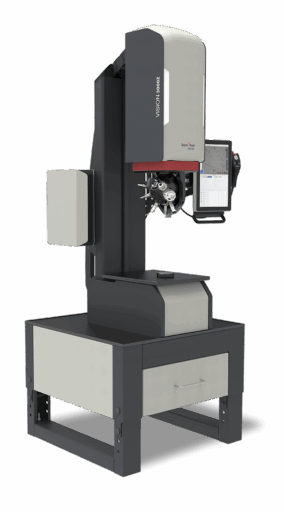
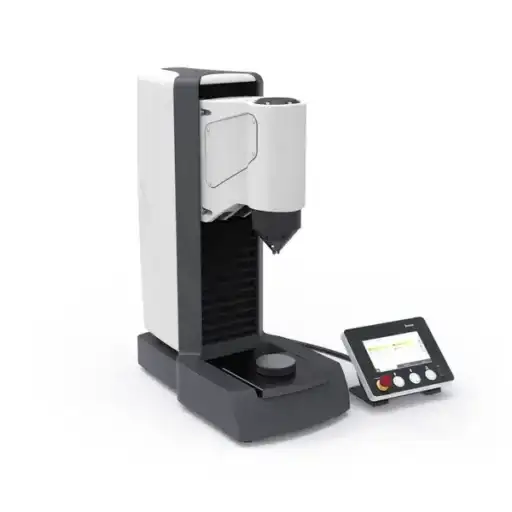
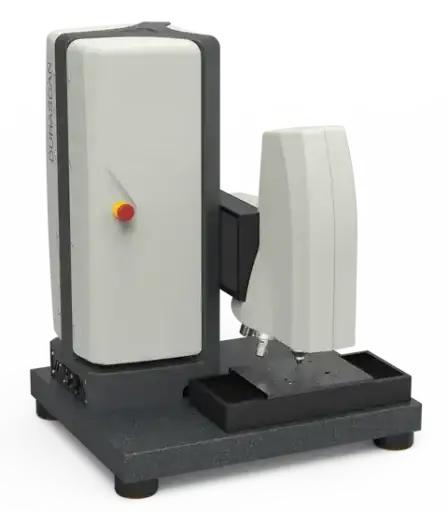
Full range of instruments
Our product line includes a complete range of instruments for performing hardness testing. The hardness testers are designed to test the hardness of metals, plastics, rubber, and specialty materials in accordance with all major, globally accepted standards. ZwickRoell’s hardness testing solutions range from standard manual instruments to fully automatic hardness testers.
The ZRS Service Department can assist you with installation and calibration. We are accredited by SWEDAC to perform calibration on hardness testers, among other equipment, in accordance with the following standards: ASTM E10:18, ASTM E18:18A, ASTM E384:17, ASTM E92, SS-EN ISO 4545-2, SS-EN ISO 6506-2, SS-EN ISO 6507-2, and SS-EN ISO 6508-2
Universal Hardness
ZwickRoell Emco-TEST’s universal hardness testers cover an unrivaled load range from 0.3 to 250 kgf and 3–3,000 kgf. The electronically controlled test cycle offers a wide range of test methods. The Brinell, Vickers, and Rockwell methods can be performed in accordance with EN ISO and ASTM standards; even carbon fiber materials can be tested for hardness. Knoop and plasticity tests can also be performed. Thanks to its robust design, the DuraVision G5 is particularly well-suited for use not only in dirty production environments but also in the laboratory for quality assurance purposes.
Rockwell Hardness Tester
The various ZwickRoell hardness testers in the Rockwell product group are used for classic Rockwell methods, superficial Rockwell methods, and depth measurement methods for hardness testing of metals. They are also suitable for hardness testing of plastics. We offer two models of Rockwell testers: dead-weight loading and servo-loop loading with a force transducer. The load range extends from 0.3 to 250 kg.
Vickers hardness tester
With ZwickRoell Emco-TEST’s Vickers tester, Knoop and Brinell tests can also be performed in the load range between 0.25 gf and 62.5 kgf. The Vickers tester stands out thanks to its innovative user guidance system, which ensures intuitive and easy operation. The test cycle—from setting the indentation position to displaying the hardness value—is always performed fully automatically, which eliminates operator influence to the greatest extent possible.
